High-end Spatial &
Human Intelligence
For Physical AI
Powering AI with embodied spatial and human data and the behavioral-realism benchmark, from environment to behavior.
Spatial intelligence
Spaces In The Physical And The Virtual World,
Captured At Scale, With Objects.
Every scene object carries mass, friction and material class.
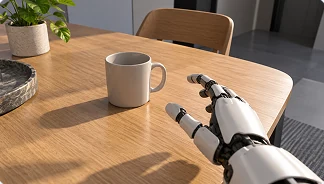
RGB
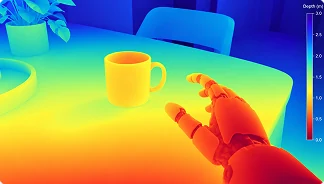
Depth
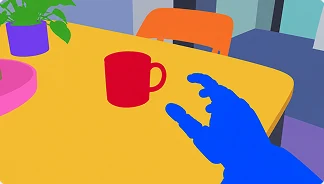
Segmentation
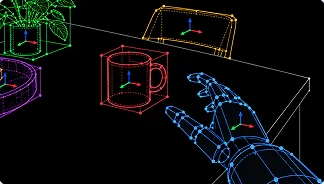
State
OBJECT COUNT · TO CONFIRMobjects
Human behavioral data
Within These Worlds, We Capture The Synthetic
And Sensory Human Behavior.
SyntheticPeople in synthetic worlds
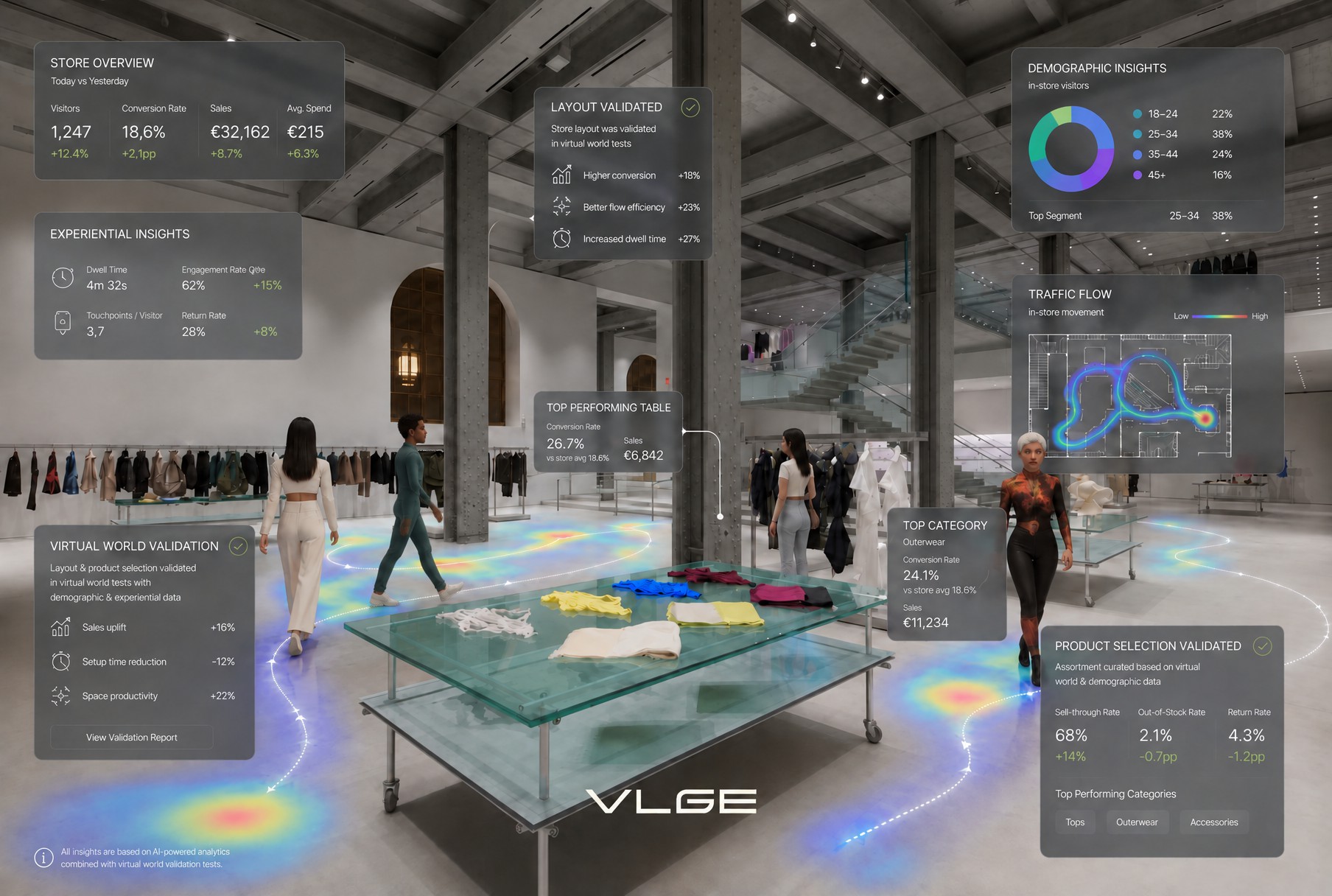
3D environments
3DGS
Spatial metadata
Event streams
Physics
Physics-based motion
Hands & fingers
Joint, arm & reach
Interaction events
Spatial sensor (LiDAR)
Behavioral layer
VLA task layer
Perception exports
Multi-agent capture
SensoryExpert sensory data



EYE GAZE &
ATTENTION
ATTENTION
HANDS &
FINGERS
FINGERS
AUDIO
BRAIN
ACTIVITY
ACTIVITY
Transfer Skills From
Expert to Agents
Expert to Agents





Shared capture schemaApplied to all domains
- WWorld & object state
- BBody pose
- HHand kinematics
- AAction stream
- ZGaze & attention
- SSpatial sensors
- ⋮Additional streams
415 fields in the shared schema
→
Shared extracted featuresApplied to all domains
- Trajectory smoothness
- Speed profile
- Dwell time
- Action frequency
Skill-specific signalsDomain-specific
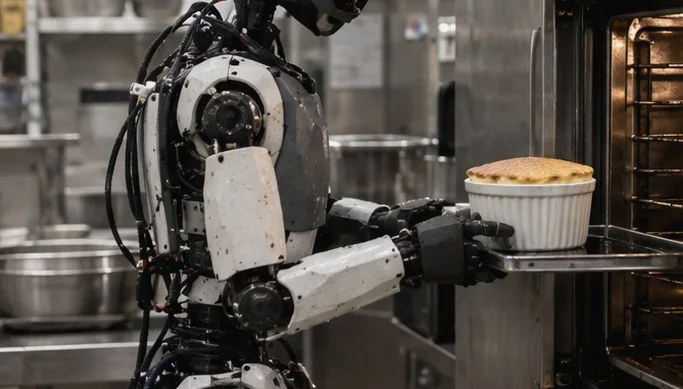
Chef · knife skillsBlade speed
Cut angle
Grasp stability
Eye-before-cut
Cut angle
Grasp stability
Eye-before-cut
Sport · climbingCoM rate
Route-read latency
Grip force
Slip risk
Route-read latency
Grip force
Slip risk
Final representation · shared features + skill signals. Different domains derive different skill signals.
EXPERT DATA
VLGE Captures Perpetually Licensable Expertise
From The World’s Best Experts.
 Gordon Ramsay
ChefsCulinary techniques
 Kylian Mbappé
AthletesMovement & performance
 Peggy Gou
PerformersMusic, dance & expression
 Jonathan Anderson
DesignersCut, drape, hand
World-class human expertise
AGENTS
Trained VLGE’s Agents On Our Real Human Behavior.
Human Build and Play
01
Human play trains the agent
 run 1
run 1 run 2
run 2run 3
run 4
run 5
run 6
02
The agent scales the data
scales ×N · re-runs, keeps human-like data
03
The agent generates the long tail
BENCHMARK
Our Benchmark Shows The Delta In Your Agent Training
And Robotics Deployment.
We find exactly in which aspects the agent is failing, and improve it.
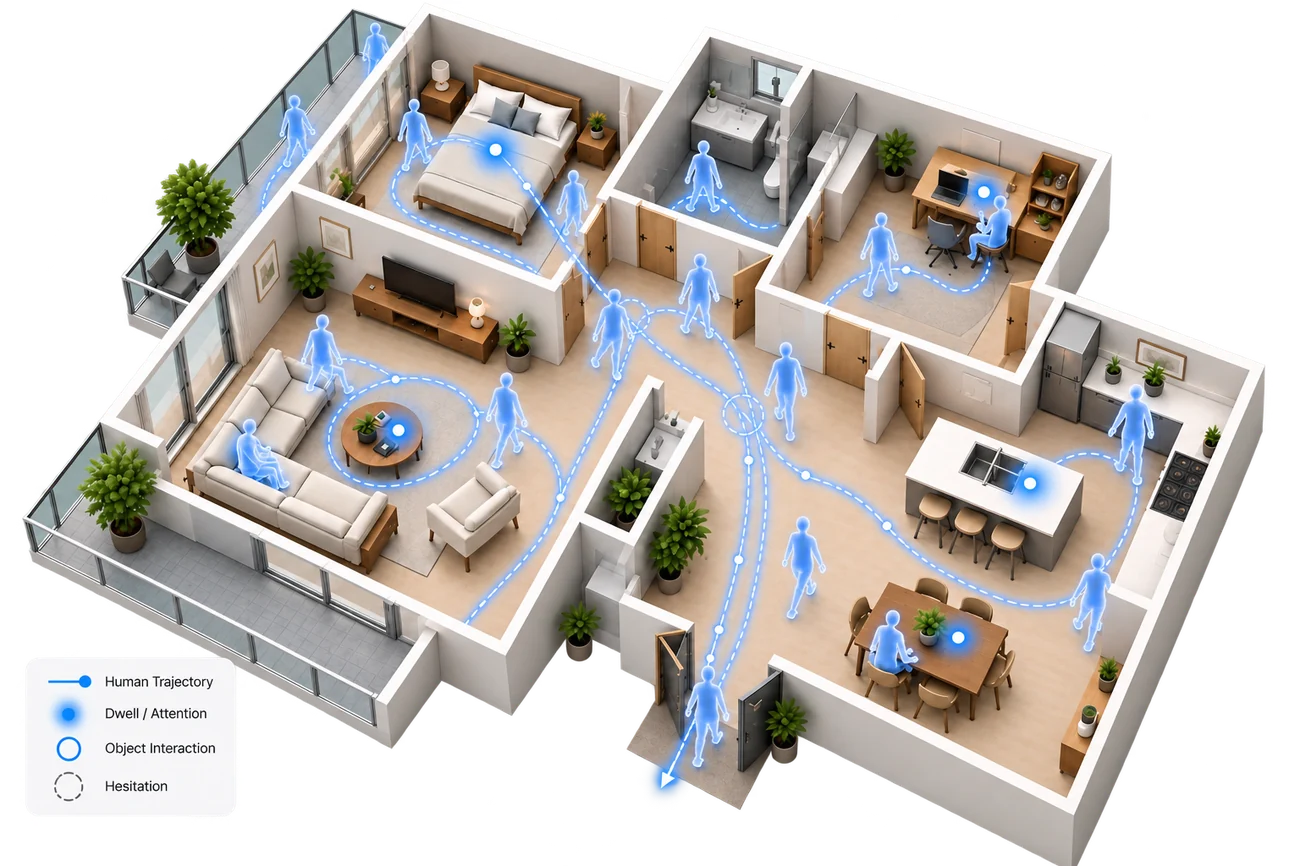
The Human Reference
Many people in the same scenario.
Trajectory, hesitation, decisions, attention.
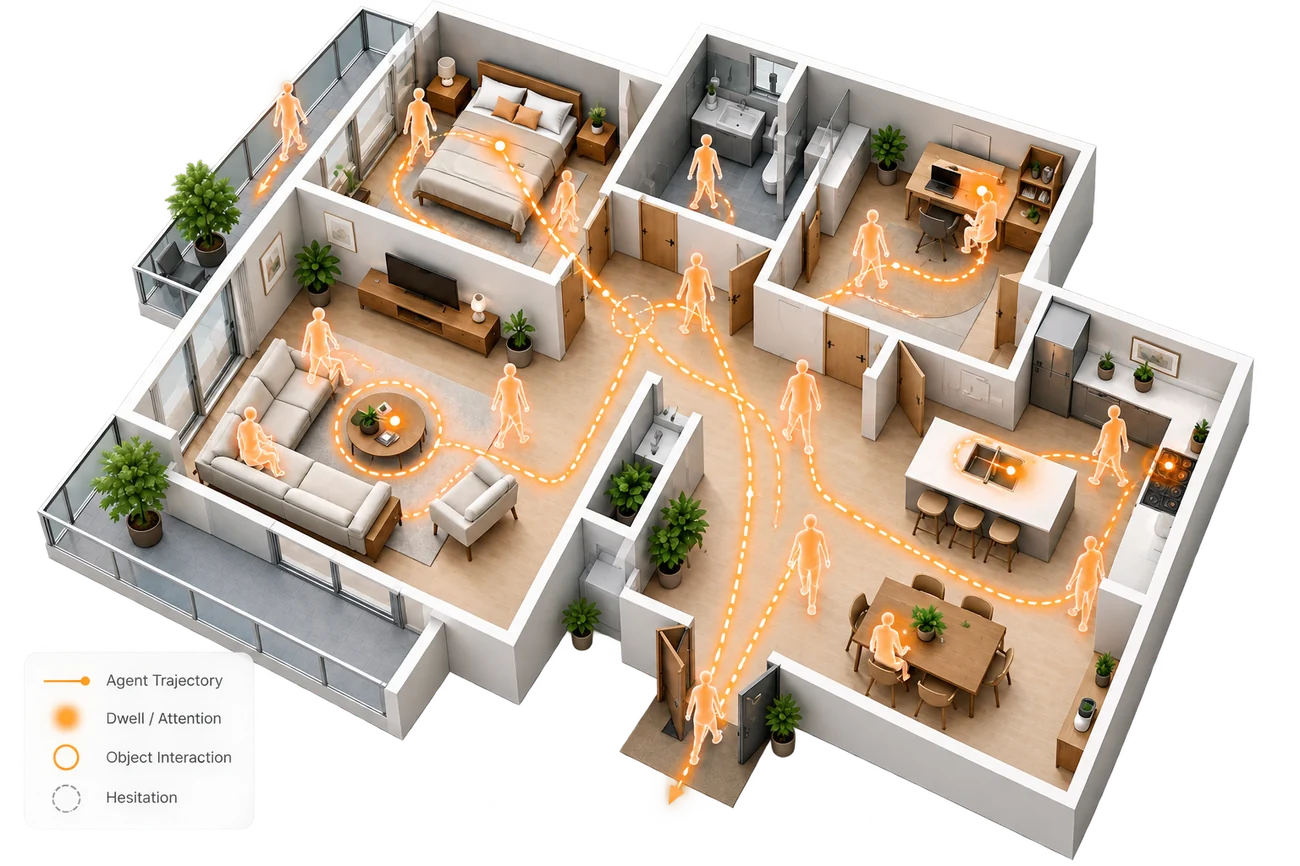
The Agent
Run many times in the same scenario,
measured on the same signals.
Distributional Distance
Compare the two behavioral distributions,
signal by signal.